
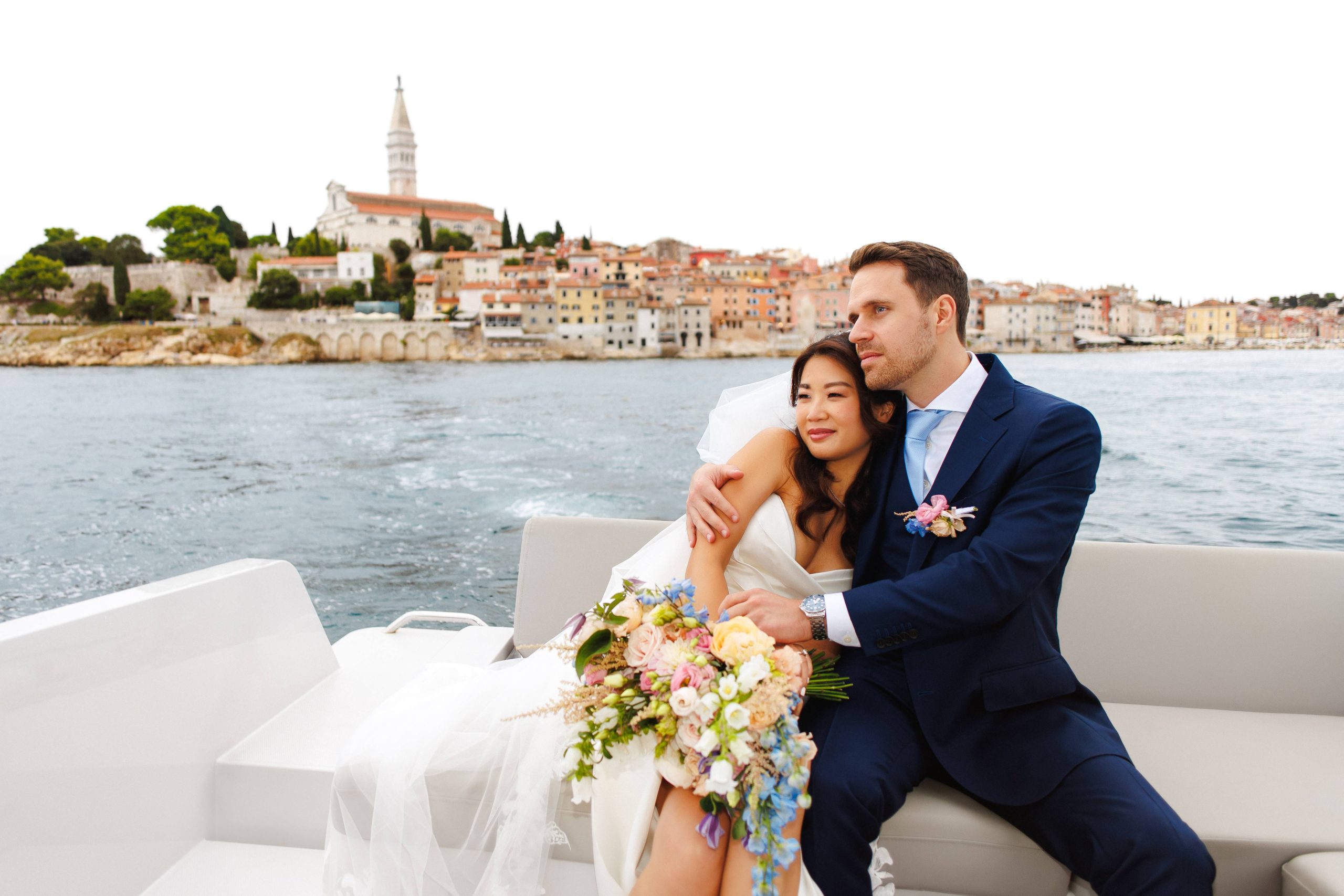
You can picture it already. A golden evening on the Istrian coast, the Adriatic glowing behind you, your closest people raising their glasses under olive trees older than any of them. And between that image and your actual wedding day sit three hundred hours of logistics — vendor emails in a language you do not speak, paperwork that has to pass through two embassies, the quiet math of whether the bura wind can cancel your outdoor ceremony in early June.
That gap is where a wedding planner lives.
This guide is for couples considering a destination wedding in Croatia— and specifically for couples who have fallen for Istria, the heart-shaped peninsula often called the Croatian Tuscany. By the end, you will know what a wedding planner in Croatia actually does, why local expertise matters more than most couples expect, what the legal process looks like for foreign couples, and how to choose the right planner for your wedding. We are Flammeum, an Istria-based wedding planning agency, and we wrote this guide to be useful whether or not you end up working with us.
Blog contents
- What a Wedding Planner in Croatia Actually Does
- Why a Local Wedding Planner Makes a Difference
- The Legal Side — Getting Married in Croatia as a Foreign Couple
- The Ideal Wedding Planning Timeline in Istria
- How to Choose the Right Wedding Planner in Croatia
- Meet Flammeum — Wedding Planners Based in Istria
- What Working With Flammeum Actually Looks Like
- Frequently Asked Questions
What a Wedding Planner in Croatia Actually Does
There is a common misconception worth clearing up first: a wedding planner is not a luxury concierge, and hiring one is not an indulgence. A wedding planner is the project manager of a complex, multi-vendor, cross-border event that happens to take place on the most emotionally charged day of your life.
Here is what the role actually covers in practice:
- Sourcing and securing a wedding venue matched to your guest count, style, season, and budget.
- Curating a vendor team — photographer, videographer, florist, catering, musicians, officiant, lighting and sound equipment, transport, hair and makeup — and negotiating on your behalf.
- Designing the concept and styling direction, from overall aesthetic to the small details that couples remember years later.
- Building and tracking the wedding budget, including contract review so you do not sign something that costs more than it should.
- Managing the legal paperwork for a foreign civil ceremony — documents, translations, Apostille stamps, registrar coordination.
- Handling guest logistics: accommodation blocks, airport transfers, welcome gifts, dietary preferences.
- Running the wedding weekend itself — setup, timeline, vendor coordination, and silent troubleshooting when something inevitably does not go to plan.
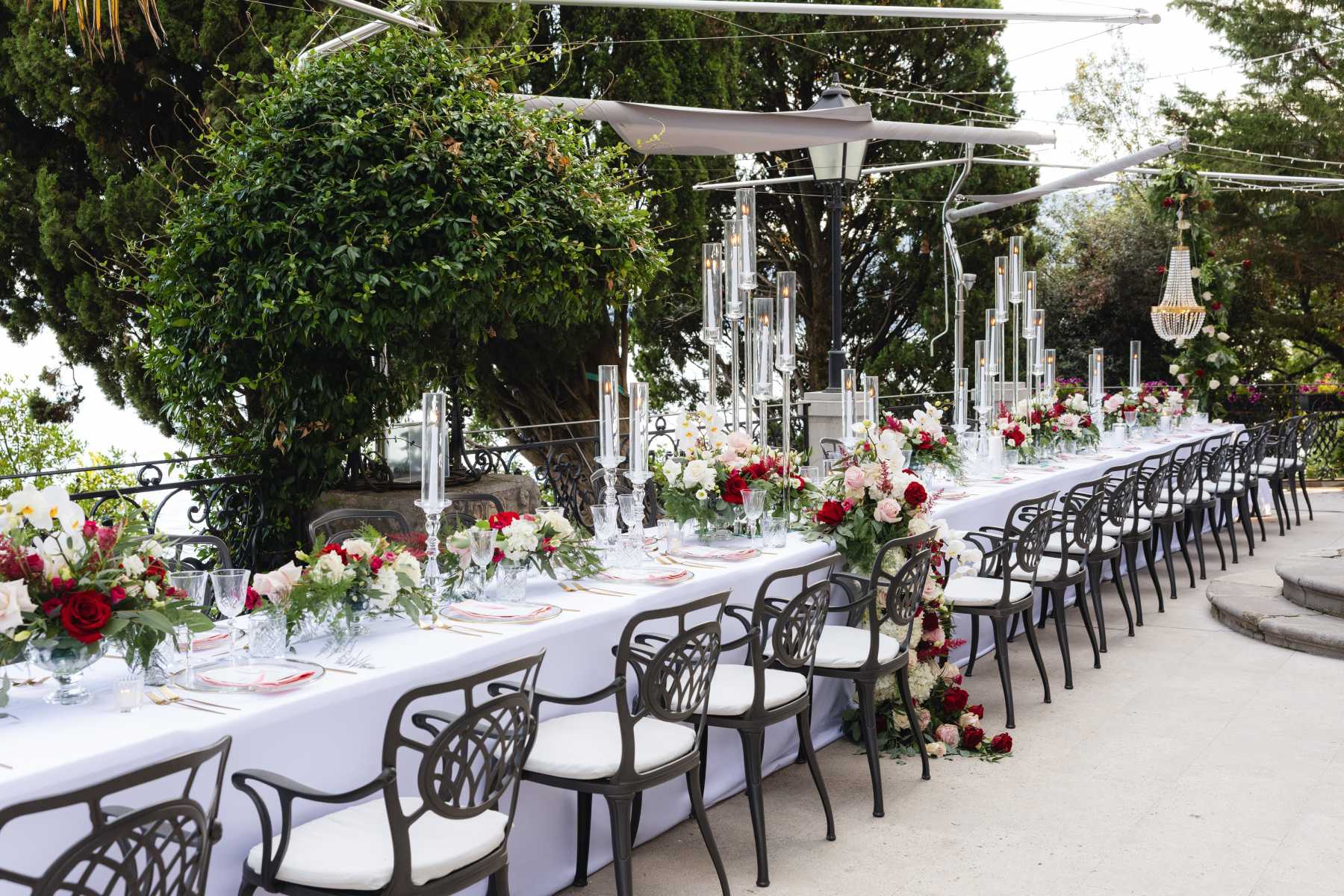
Couples sometimes confuse wedding planning with wedding coordination. The quick explanation: a planner partners with you from day one and builds the entire wedding with you; a coordinator steps in closer to the day to execute a plan that already exists. Most couples marrying in Croatia from abroad need the planning scope, not just coordination — because when you are planning from London, Berlin, or New York, there is rarely an existing plan for someone to execute.
For a deeper look at the distinction between planning and coordination, see Flammeum’s blog “Wedding Planning and Wedding Coordination — What is the Difference?”.
Why a Local Wedding Planner in Croatia Makes a Bigger Difference Than Most Couples Expect
It is tempting to think of a wedding planner as interchangeable — someone to manage the timeline and return emails quickly. The couples who have the smoothest weddings in Croatia tend to discover, usually around month three of planning, that local wedding planner really does matter.
Local vendor relationships unlock what Google cannot. The best Istrian photographers and videographers, florists, and musicians often do not advertise online. They are booked almost entirely through word-of-mouth and relationships with wedding planners who have worked with them for years. A wedding planner in Croatia who actually lives and works in Istria can open doors to a vendor network that simply does not appear in any search result.
Language fluency is not a small thing. A local planner communicates in Croatian with vendors and with the registrar (in Croatian: matičar), and in English with you and your guests. Without that bridge, important details get lost — and in destination weddings, lost details tend to surface on the wedding day, when it is too late to fix them cleanly.
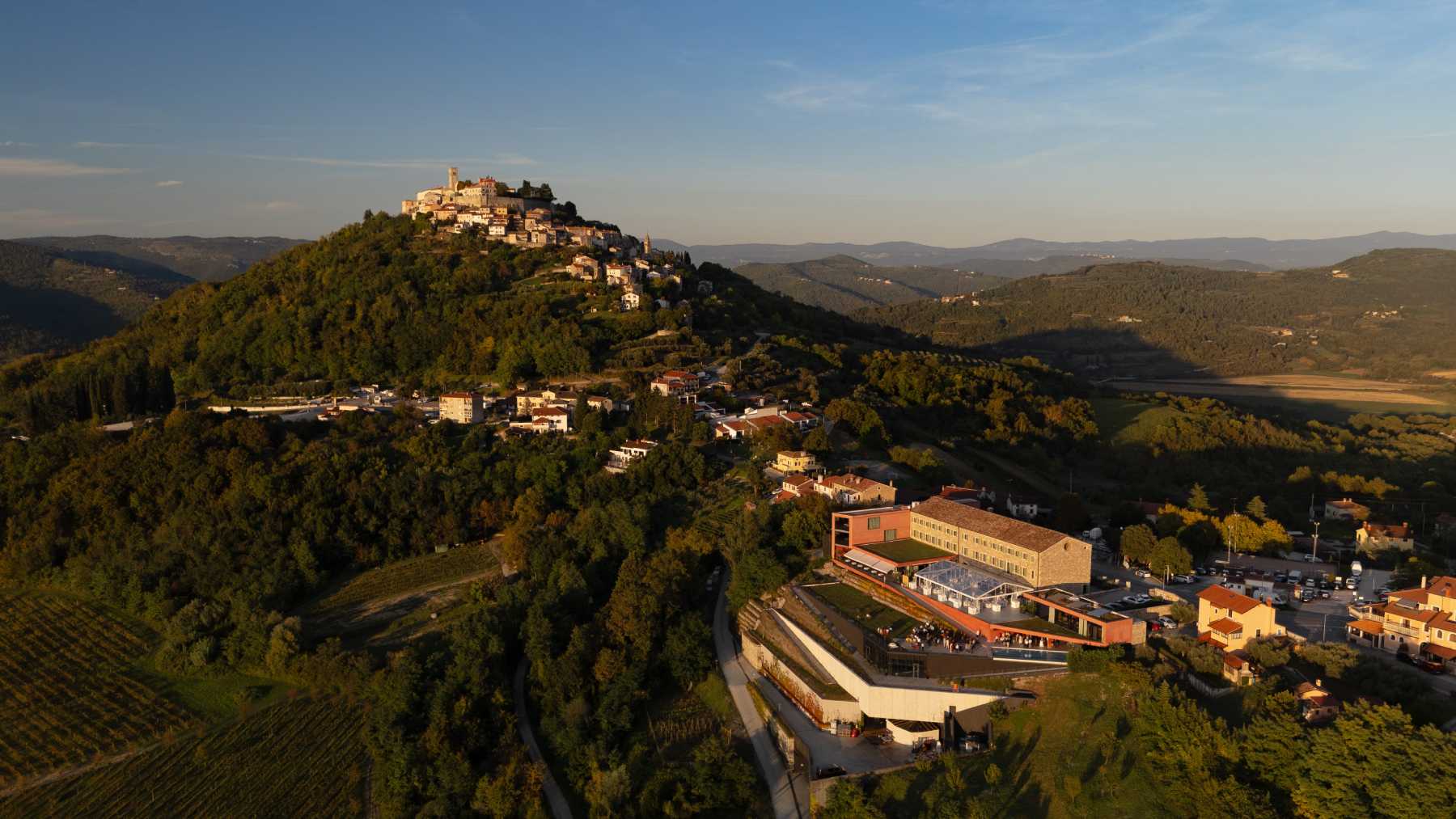
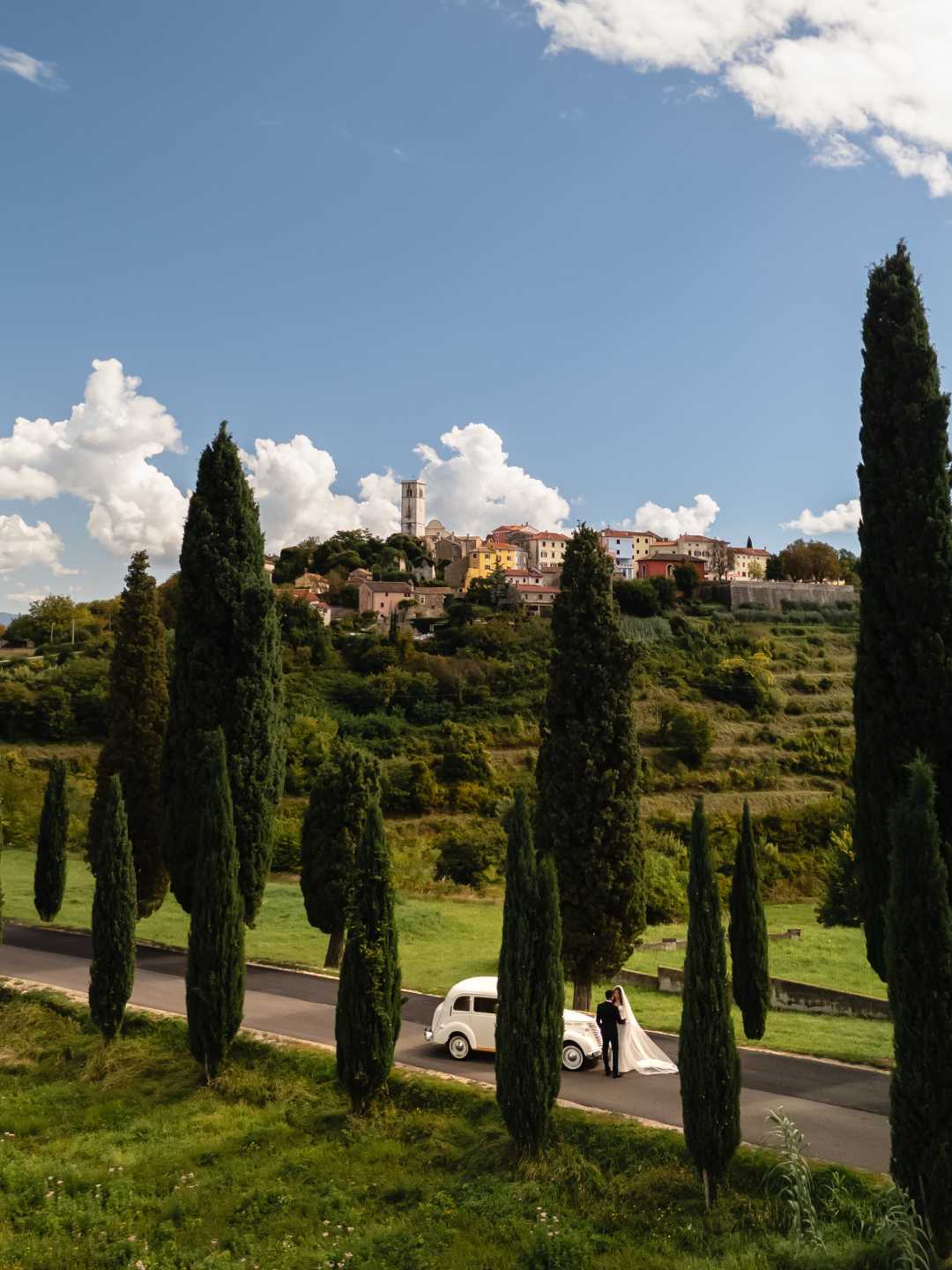
On-the-ground knowledge of Istrian terrain. How long is the drive from a seaside venue in Rovinj to an inland estate near Motovun? Which villas comfortably host 30 guests, and which only feel full at 80? How does the microclimate around the Limski kanal differ from the open coast at Poreč? A planner based in Istria knows these things the way someone knows the shortcuts in their own neighborhood. You can explore the geography, climate, and venues of Istria in depth in our separate guide to a wedding in Istria.
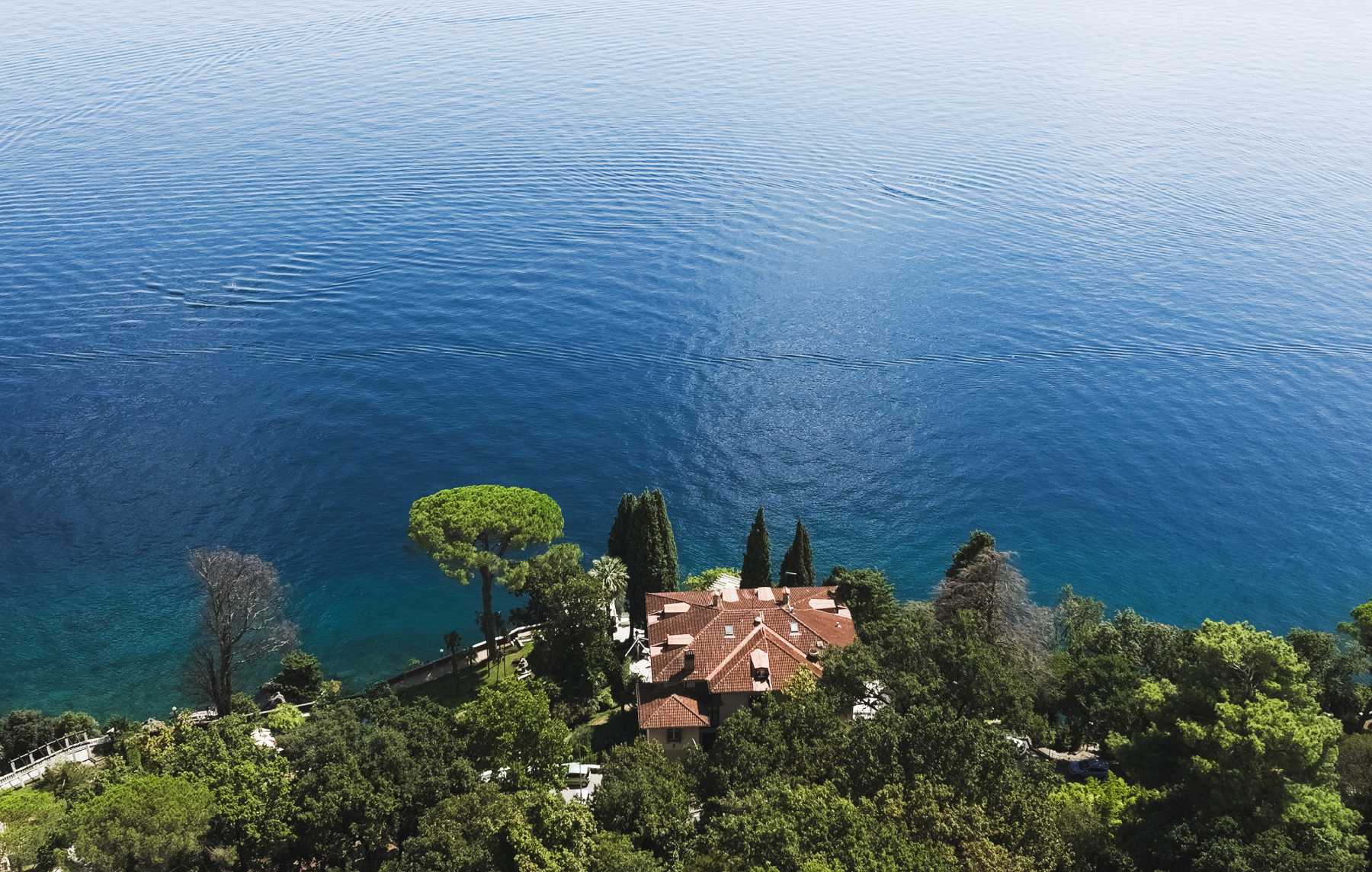
Seasonality that maps to Istria specifically, not to generic European wedding advice. Bura winds that whip down off Mount Učka can turn a beautiful April weekend into a logistical mess — but September, our personal favorite month, offers warm days, cool evenings, the start of olive harvest, and noticeably lighter crowds than peak August. These are not facts you can fully learn or understand from a spreadsheet.
Real-time problem solving. When a centerpiece arrangement arrives wrong on the morning of your wedding, or a musician’s car breaks down an hour before the ceremony, a local planner can dispatch help and solve the problem before newlyweds even become aware of it. A planner based three time zones away simply cannot match that — and on a wedding day, speed is everything.
Established relationships with Istrian registry offices save weeks on the legal side of things. A registrar who already knows your planner’s work handles paperwork differently than one receiving a cold submission from abroad.
For Flammeum’s broader case for hiring a wedding planner, see “Why Hire a Wedding Planner?”.
The Legal Side — Getting Married in Croatia as a Foreign Couple
This is the section most couples secretly worry about. The good news: marriage in Croatia for foreign couples is far less complicated than the bureaucratic-sounding phrase “international civil ceremony” suggests — provided someone who knows the process is handling it.
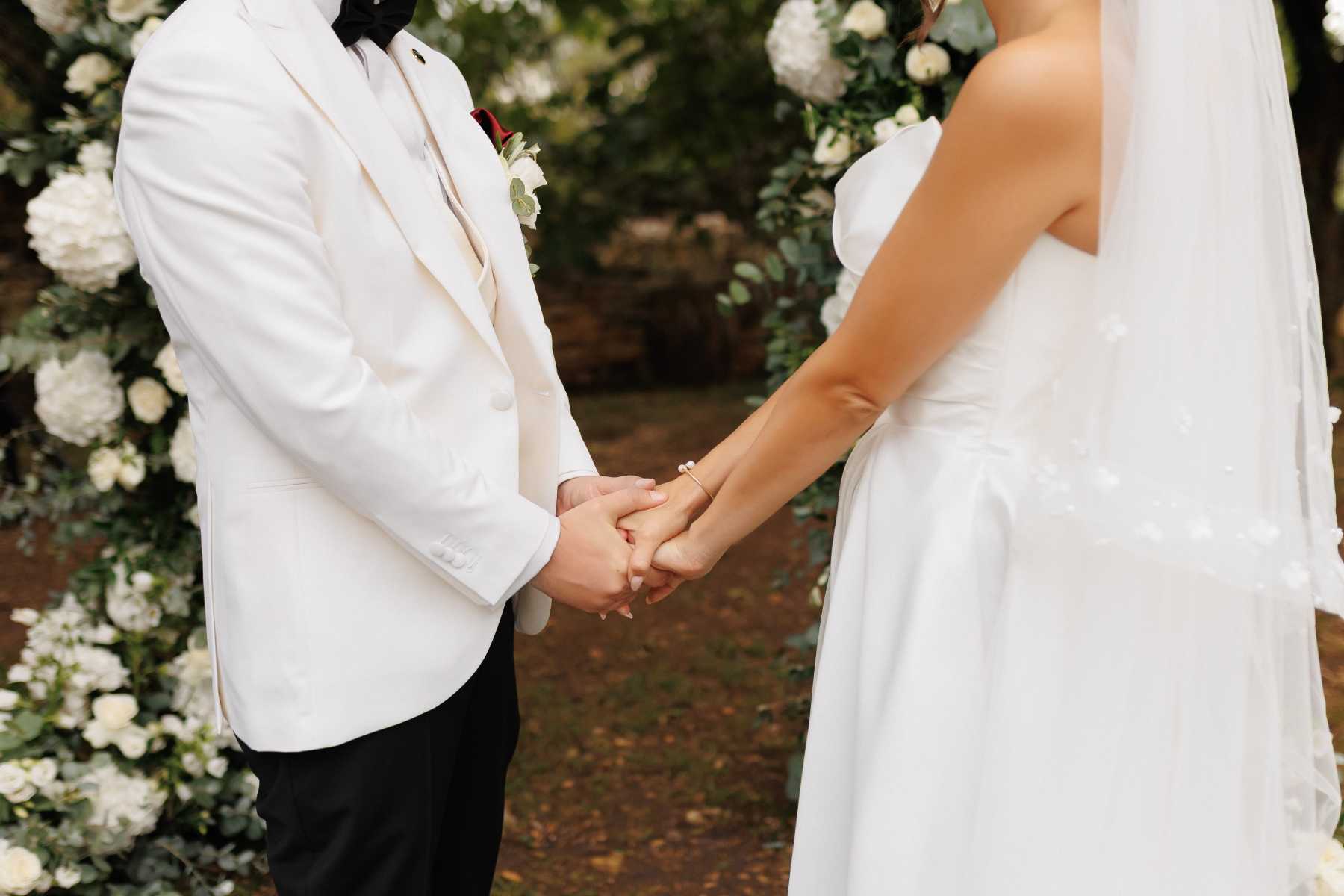
Here is the shape of the legal picture:
Paperwork must reach the local Registry Office (in Croatian: matični ured) at least 30 days before your wedding. The core documents typically include each partner’s passport, a birth certificate, and a Certificate of No Impediment (confirming you are legally free to marry). Depending on the couple’s citizenship, every document must carry an Apostille stamp from the issuing country and must be translated into Croatian by a certified court interpreter. If either partner was previously married, divorce or death-of-spouse documentation follows the same path.
For more details about required wedding documentation, read Flammeum’s blog “Documents for Civil Wedding in Croatia: Everything You Need to Know”.
You have two ceremony options. A civil ceremony is performed by a registrar (in Croatian: matičar) and is legally binding — this is what you want if you are getting married for the first time and want the marriage recognized in both Croatia and your home country. A symbolic ceremony carries no legal weight but offers complete creative freedom and zero paperwork — popular among couples who marry legally in their home country first, then celebrate properly in Istria without the document burden.
Why this matters for choosing a planner: a local wedding planner manages the document submissions, coordinates certified translations, books the interpreter, and sets up the pre-wedding meeting with the registrar. What feels like weeks of international bureaucracy becomes, from your side, a short list of documents to sign and send.
For the paperwork-free alternative, read Flammeum’s blog “Symbolic Wedding — No Documents, No Hassle”.
The Ideal Wedding Planning Timeline in Istria
The single most common regret we hear from couples who did not work with a wedding planner from the start is this: they waited too long to book one.
12-18 months out is the right window for peak-season weddings (June through September). 9-12 months can still work for late May or early October, but availability tightens quickly. For weddings during the height of summer, nine months is already late.
The booking order matters. The wedding planner comes first, because the wedding planner is the one who helps you see the options clearly and book the rest well. The venue follows immediately after — premium Istrian villas, seaside estates, and vineyard properties book 12 or more months ahead for summer Saturdays, and the best ones often have a single date available in a given year. Browsing Flammeum’s wedding venues in Istria or trying our Wedding Venue Finder are both good starting points.
The next tier of bookings is photographer and videographer — also in high demand in Istria, and also booked out a year ahead for the top names. Florist, catering, entertainment, officiant, and ancillary services follow. A good planner sequences all of this so nothing slips through.
The best months to marry in Istria. Late May through early October is the reliable window. Our honest recommendation: June and September offer the sweet spot — warm days, lighter tourist crowds than July and August, lower risk of the oppressive midsummer heat that can make outdoor ceremonies uncomfortable on stone terraces. Spring and autumn weddings in Istria can be genuinely stunning — olive harvest in September, soft golden light, private villages that feel like they belong to you alone — but they require a wedding planner who has prepared weather contingencies, because shoulder seasons are less predictable.
How to Choose the Right Wedding Planner in Croatia
This is not a purchase where comparing prices gets you the right answer. A wedding planner becomes a close collaborator through one of the most emotionally significant projects of your life — and that relationship is either a genuine one or it is not.
Here are the questions worth asking any Croatian wedding planner you are considering:
- How many weddings have you planned in Istria specifically, and can I see examples?
- What does your vendor network look like — and can you walk me through three photographers or three musicians you would recommend for my style?
- How do you handle the legal documentation for foreign couples?
- What happens on the day if the weather changes, a vendor is late, or something goes wrong?
- How many weddings do you take on per season, and who will be my primary point of contact throughout?
- What is included in your fee, and how are any additional costs structured?
- Do you book more than one wedding per day?
The answers to those questions tell you more than a portfolio alone ever could.
A few red flags worth watching for: cookie-cutter packages with no room for customization, slow or generic responses during the inquiry phase, no physical presence in the region you are marrying in, and vague answers about pricing. The best planners are specific, responsive, and transparent — because those qualities are exactly what you will need from them during planning.
Beyond the checklist, chemistry matters. A wedding planner will see you stressed, excited, exhausted, hopeful, and everything in between. The right planner becomes a trusted confidant — someone whose judgment you will lean on repeatedly over twelve or eighteen months. Trust your instincts on the first consultation call. If you feel heard, respected, and understood, that is the right starting point.
A word on cost. Wedding planner fees in Croatia vary significantly from agency to agency, and a lot of that variation hides in what is and is not included in the quoted price. The clearest way to compare planners is to ask what a fee actually covers: venue and vendor sourcing, contract management, legal paperwork, design, on-site coordination, and travel within the region. At Flammeum, we price our services transparently based on guest count — because that is the single variable that most honestly reflects the scope of planning work, and we publish our full packages on our Wedding Packages page so you can see exactly what each tier includes before the first conversation.
Meet Flammeum — Wedding Planners Based in Istria
Flammeum is based in Istria, and we work exclusively in Istria and Opatija. That choice is deliberate. We are not stretched thin across the whole Croatian coast — we know our home region deeply, and that depth is what we offer our newlyweds.
The agency was founded and is led by Eneja and Sanela, wedding planning partners with over a decade of destination wedding experience in Istria. You can read more about us on our team page.
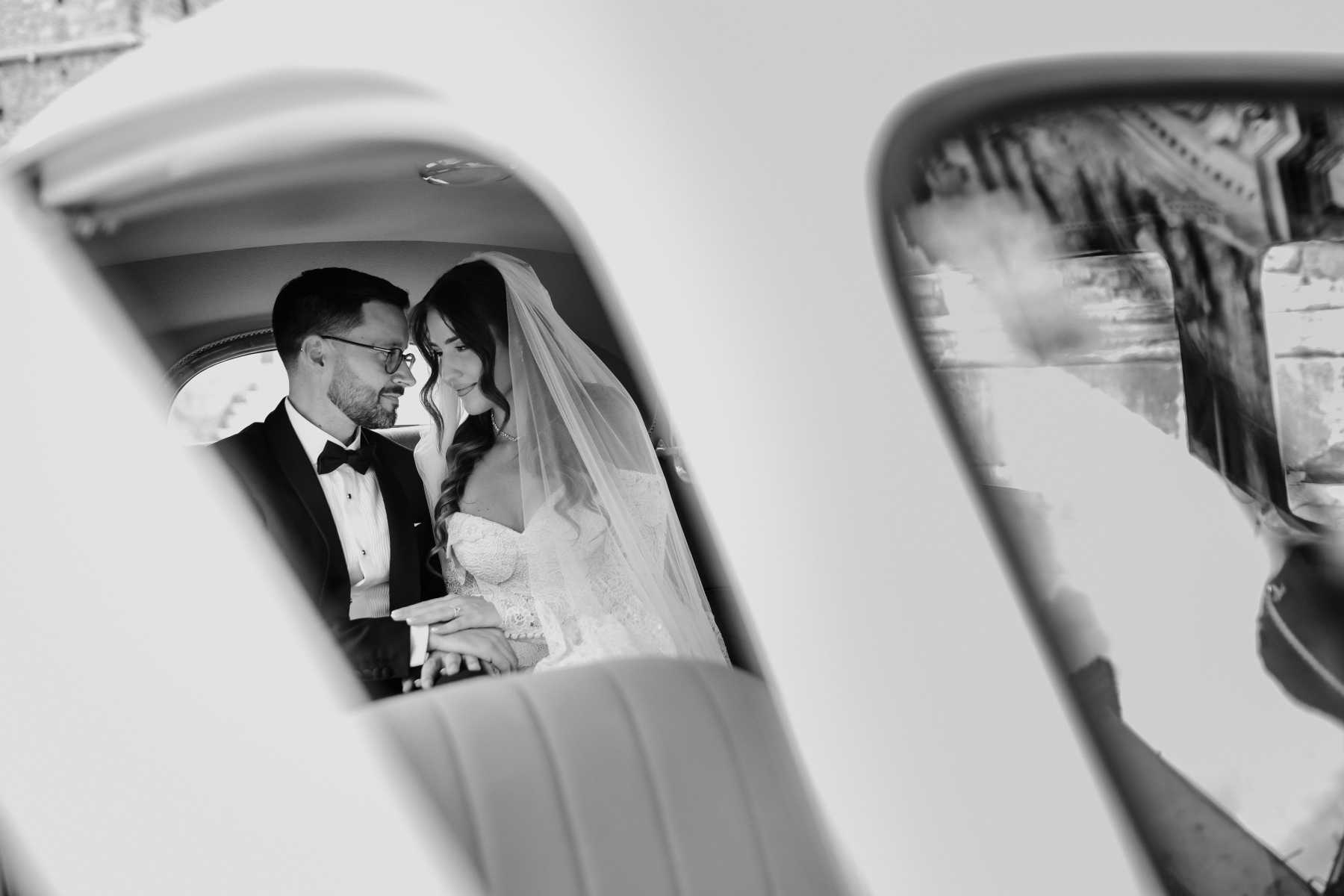
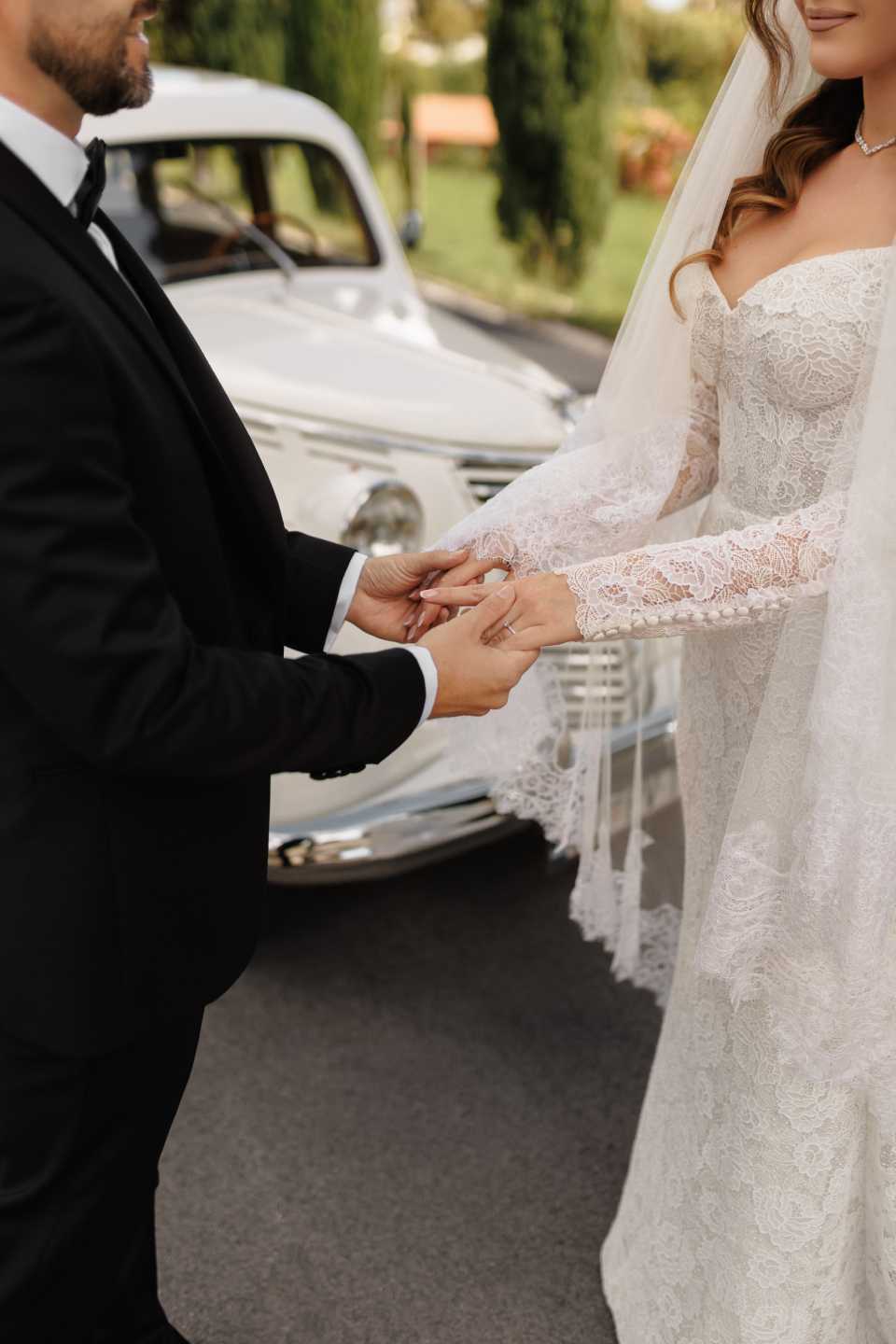
Our philosophy is boutique by design. We take a limited number of weddings each year so that every couple we work with gets our full attention, and every wedding is built around the couple — not fitted into a predefined template. Our newlyweds have come from the UK, the United States, Germany, Austria, South Africa, Japan, India, and beyond, including cross-cultural celebrations, same-sex weddings, intimate elopements, and grand multi-day events. You can see the range in our wedding gallery and read what past couples have said on our testimonials page.
We have built a vendor network across Istria over many years — coastal villas, inland vineyards, seaside resorts, rustic stone estates, private islands, and hidden beach venues — and we speak Croatian and English fluently, which translates directly into sharper vendor communication and fewer details lost between languages.
See how this works in practice in the real wedding story “Elegant Wedding in Istria — in the Gardens of a Mediterranean Villa”.
What Working With Flammeum Actually Looks Like
Step 1 — Discovery consultation
The first conversation is about understanding your vision. We ask about the feeling you want your wedding day to have, your rough guest count, your budget range, and your preferred dates. You ask us anything. We give you honest early feedback on what is feasible and point you toward an initial venue direction that fits.
Step 2 — Venue and vendor curation
We build a shortlist of Istrian venues matched to your style, size, season, and budget — not a pile of every option, but a thoughtful selection. Once the venue is chosen, we make curated introductions to the right photographer, florist, musicians, caterer, and officiant from our network.
Step 3 — Design, planning, and legal handling
This is the longest phase of the work. We develop the concept and styling with you, track the budget in detail, review and manage every vendor contract, and handle the legal paperwork end-to-end — you sign documents from home, we handle the submissions, translations and registrar coordination. We check in regularly, but we never drown you in email.
Step 4 — The wedding weekend
From rehearsal through the final send-off, we run the operation. On-site coordination, vendor management, guest experience, timeline, and the silent troubleshooting that keeps things moving behind the scenes. Our aim is simple: you should feel like a guest at your own wedding, not a project manager.
Still weighing venue options? Start with Flammeum’s Wedding Venue Finder and read our blog about important facts when choosing a wedding venue in Istria.
Frequently Asked Questions About Hiring a Wedding Planner in Croatia
How far in advance should we hire a wedding planner in Croatia?
For peak-season weddings in Istria (June through September), we recommend booking a planner 12 to 18 months ahead. Shoulder-season weddings in May or October can work on a 9 to 12 month timeline, though availability of the best venues and vendors tightens quickly. The planner is the first booking — everything else follows from there.
Do we still need a wedding planner if our venue has an on-site coordinator?
Usually, yes — because the two roles are different. A venue coordinator manages what happens at the venue itself: room setup, venue staff, catering flow on their property. A wedding planner manages everything before, around, and beyond the venue: legal paperwork, the full vendor team, the overall design, guest logistics, and the entire wedding weekend. For destination weddings in Istria, the planner’s scope is far larger than any venue’s remit.
Can foreign couples have a legally binding wedding in Croatia?
Yes. Foreign couples can marry legally in Croatia by having a civil ceremony performed by a registrar (in Croatian: matičar), with documents submitted to the local Registry Office at least 30 days before the wedding. The paperwork requires Apostille stamps and certified Croatian translations, which a local wedding planner can handle on your behalf. Couples who prefer to skip the paperwork often marry legally in their home country first and have a symbolic ceremony in Istria.
How much does a wedding planner in Croatia cost?
Planner fees in Croatia vary widely depending on the scope of service and the complexity of the wedding, but the more important question is what the fee actually covers — sourcing, legal paperwork, design, on-site coordination, and so on. Full-service planning for a destination wedding in Istria generally scales with the guest count. At Flammeum, we publish our full pricing on our Wedding Packages page, organized by guest count so you can see exactly what is included at each tier before the first conversation.
Does Flammeum plan weddings outside Istria?
No — and that is a deliberate choice. We work exclusively in Istria and Opatija because our value to couples comes from deep local expertise, a trusted vendor network built over years, and genuine knowledge of every venue we recommend. Couples looking to marry in other parts of Croatia are better served by planners based in those regions.
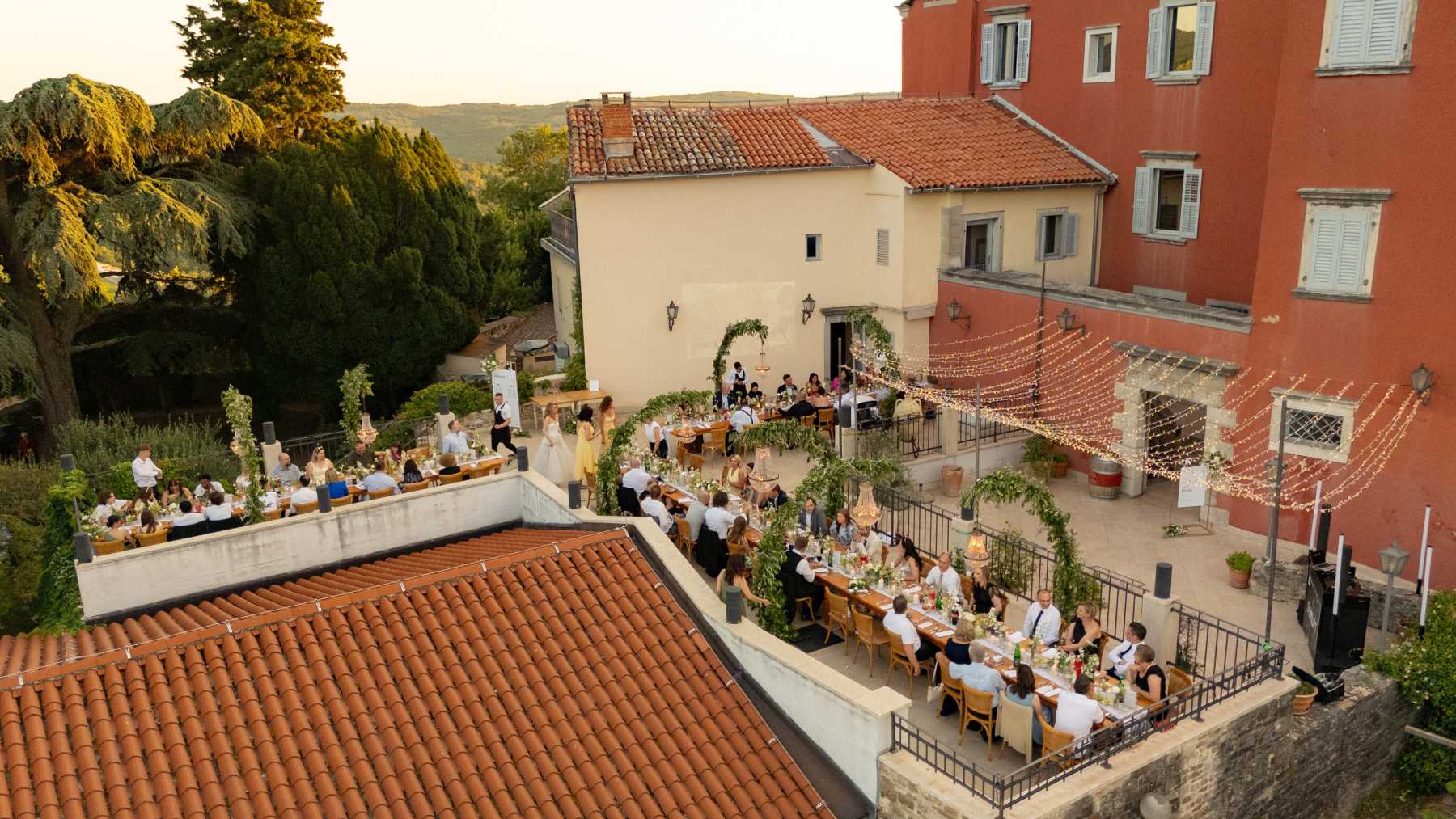
Conclusion — Your Next Step
The right wedding planner in Croatia does not add another layer to the planning process. The right planner removes most of it. What looks from the outside like an overwhelming cross-border project — paperwork in two languages, vendors you have never met, a country whose seasons you are learning from afar — becomes, with the right person beside you, the beginning of the celebration rather than a second full-time job.
Istria will welcome you beautifully. The work is making sure the path from here to your wedding day is as clear as the Adriatic on a calm June morning.
If you are imagining a wedding in Istria and want someone to talk it through with — dates, venues, rough budgets, what is possible — reach out to us. No commitment. Just a conversation.